
Comic Convention Dealer Buying: What Collectors Need to Know
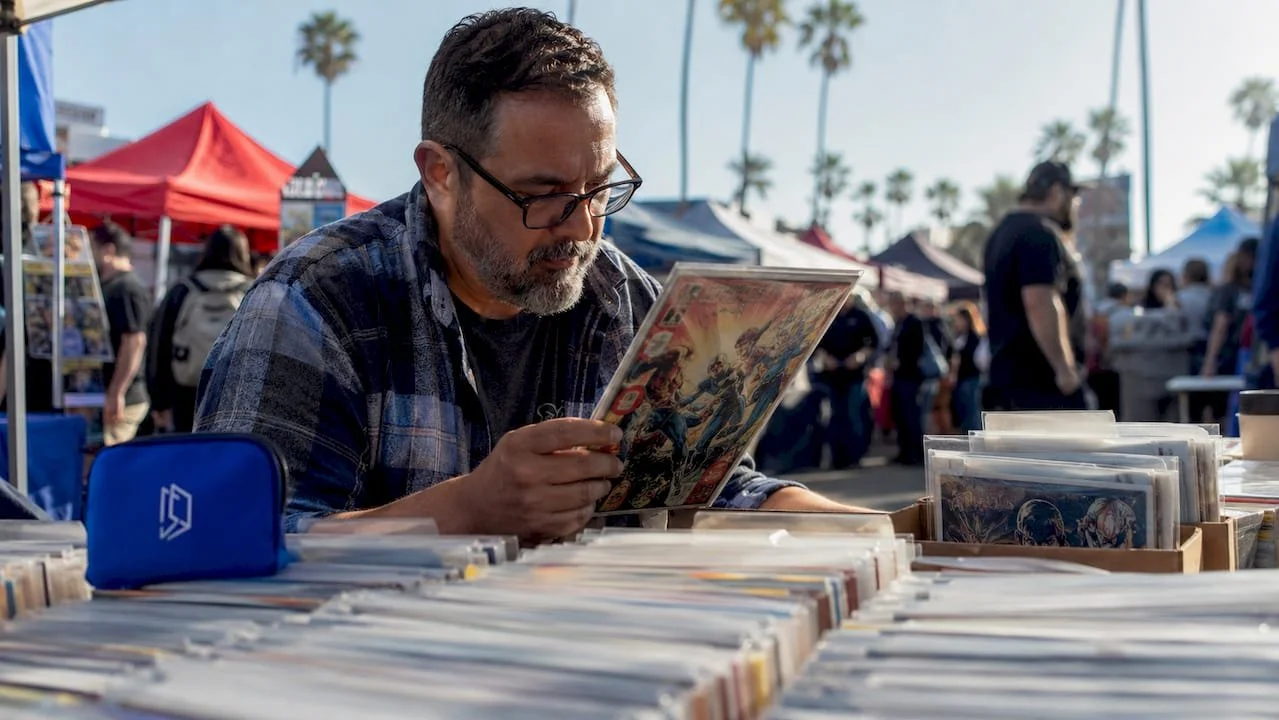
What is comic convention dealer buying?
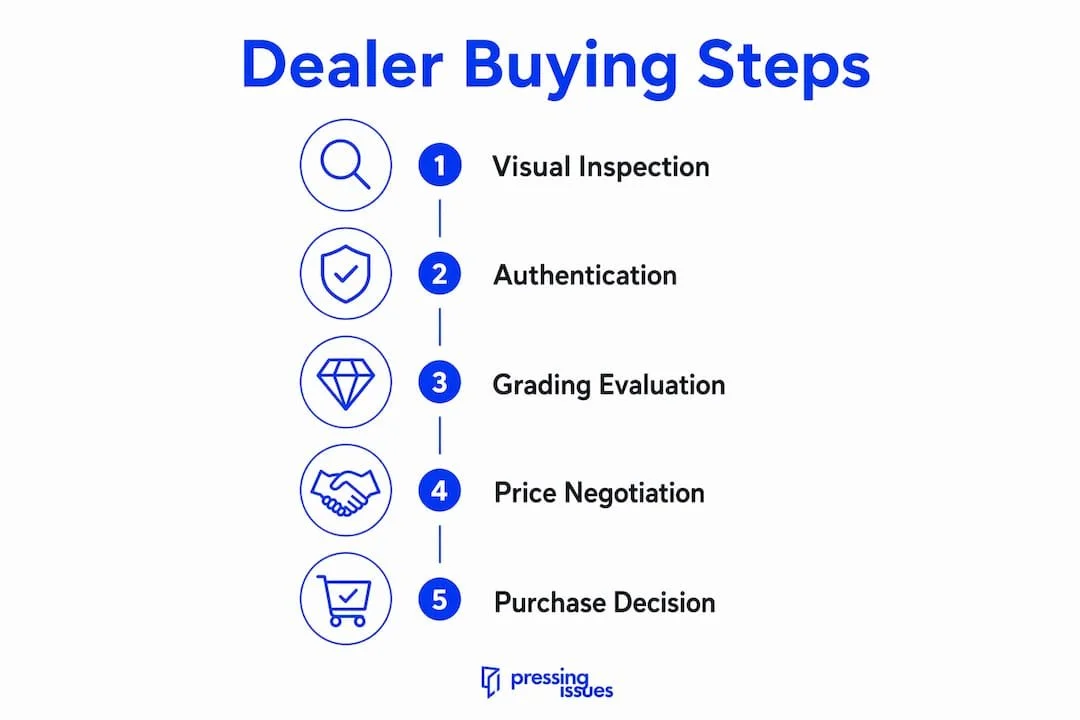
Comic convention dealer buying is the professional process where dealers purchase comics at conventions specifically for resale and profit. These aren't collectors browsing for personal favorites. They're buyers running a business, and every offer they make reflects a calculation: how fast will this sell, what condition is it in, and what margin remains after costs.
Dealers prioritize:
Market demand over nostalgia, targeting trending titles, popular characters, and media tie-in books
Condition and grade, with sharp corners, clean spines, and minimal wear carrying real weight
Key issues such as first appearances, origin stories, and iconic covers that move quickly
Complete runs from the Bronze or Copper Age that attract dedicated collectors
Inventory turnover, meaning they want books their buyers are already asking for
The standard dealer offer typically represents 40–60% of a comic's current market value, accounting for grading costs, holding time, and resale risk. Direct purchases pay immediately at that rate. Consignment deals let the dealer sell on your behalf for a commission, often returning more over time.
How comic dealers decide which comics to buy at conventions
Dealers don't evaluate comics the way collectors do. They're scanning for stock, not stories.
Pricing tools: dealers cross-reference the Overstreet Price Guide, CGC census data, and eBay sold listings to appraise accurately
Grade verification: CGC-certified books command stronger offers because condition is already confirmed
Key issue weight: first appearances and landmark covers move fast, making them high-priority buys
Volume preference: dealers often prefer buying multiple books at once to justify price concessions and speed up inventory turnover
Risk calculation: grading fees, transport costs, and market volatility all factor into what a dealer will offer
Media trends: a character appearing in an upcoming film or series can spike related book values overnight
Understanding eye appeal's role in dealer decisions goes beyond the numeric grade. A raw book with outstanding visual condition often attracts stronger interest than its grade alone suggests.
Common purchasing methods used by dealers at conventions
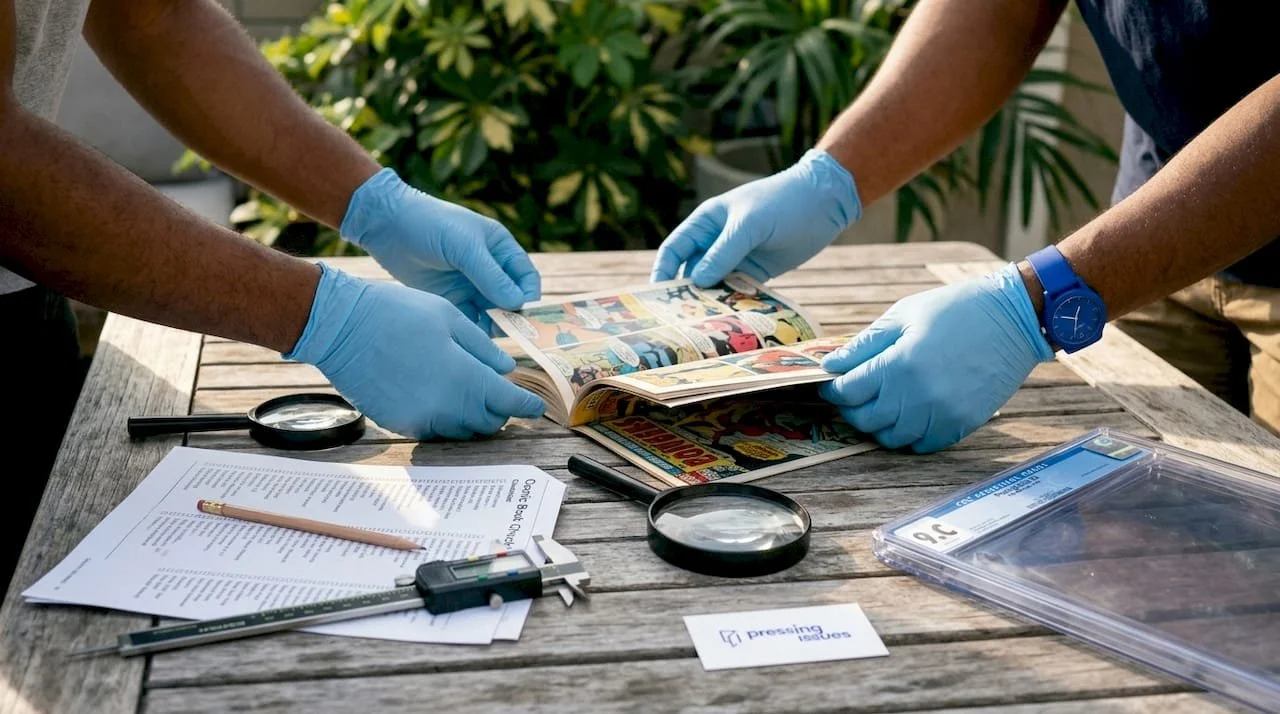
Two deal structures dominate the convention floor: direct cash purchase and consignment.
Direct cash purchase: immediate payment at a discounted portion of market value, factoring in grading and market risk
Consignment: the dealer sells on your behalf and takes a commission; large-scale buyer services recommend this route for high-value or extensive collections
Bulk negotiation: dealers move faster and offer better terms when buying three or more books together
Photo-based offers: photographing your duplicates front and back lets dealers evaluate remotely, speeding up negotiations without hauling physical books around the floor
Dealer specialization: a dealer focused on Silver Age books thinks differently from one who moves modern variants; the deal structure often reflects that specialization
Consignment selling typically yields higher long-term returns than accepting an immediate cash offer, especially for raw books in strong demand.
Tips for collectors to get the best deal when selling to dealers
Preparation separates collectors who walk away satisfied from those who leave money on the table.
Photograph your duplicates before the show so you can pitch trades without carrying extra weight
Ask for a cash price on stacks, not single books. A dealer will grant a better discount on a $200 lot than on one $60 comic, because volume gives leverage
Anchor counter-offers to recent sales, not grade disputes. Pull a comparable eBay completed sale and present it as a fact
Know the typical discount range so you recognize a lowball offer when you hear one
Close quickly. Dealers appreciate a fast decision and often add a bonus like a free mylar or acid-free board for buyers who don't waste their time
Shop Sunday afternoon. End-of-show discounts on non-premium pieces can reach 20–30% as dealers avoid packing unsold inventory
Pro Tip:Seek out dealers who specialize in your collection's era or genre. A specialist dealer understands the market for your books far better than a generalist and is more likely to make a fair, informed offer.
Why comic book preservation matters when selling at conventions
A well-preserved comic doesn't just look better. It sells faster and commands a stronger offer.
Pressed and cleaned comics show improved eye appeal and condition, directly increasing market value and dealer interest
CGC certification validates condition, removes uncertainty, and boosts buyer confidence at the point of sale
Professional appraisal speeds up dealer evaluation by providing clear, documented condition information
Choosing the right books for pressing matters. Focus on key issues and high-value runs where the return on the service investment is clear. Our guide on which comics to press walks through that decision in detail
Preservation reduces negotiation friction by giving both parties accurate, agreed-upon condition data to work from
How dealers authenticate and grade comics before buying
Dealers move fast on the convention floor, but their evaluation process is methodical. Most start with a visual inspection: spine stress, corner wear, staple rust, and page quality. For raw books, they're estimating a grade on the spot using the same criteria CGC applies.
For higher-value books, dealers rely on CGC or CBCS certification as the definitive condition record. A graded slab removes ambiguity entirely. Dealers who work with services like MyComicShop use CGC as their third-party grader of choice, facilitating grading on consignment items and covering the upfront cost before deducting it from sale proceeds. For raw books with strong potential, a dealer may suggest submitting for grading rather than accepting a cash offer immediately, since a certified grade often unlocks a meaningfully higher price. Learning the CGC submission process before you arrive at a convention puts you in a stronger position.
How dealers negotiate prices with sellers
Dealers negotiate from a position of market knowledge. They know recent sales, census data, and what their buyers are currently requesting. Your strongest counter is matching that knowledge.
Present comparable eBay completed sales rather than arguing about grade. Bring a stack rather than a single book; consolidating volume with one dealer builds goodwill and unlocks better terms. Avoid the Saturday afternoon rush when dealers are busiest and least likely to negotiate. For key issues priced above $1,000, experienced dealers know the market precisely and discount minimally regardless of timing. The collector who comes prepared with data, moves decisively, and respects the dealer's time consistently gets the better end of the deal.
Legal and ethical considerations for dealer buying at conventions
Dealers operating at conventions are bound by the same commercial standards as any retail transaction. Sellers should receive a written consignment contract that itemizes every book, its agreed condition, and the commission terms. MyComicShop, for example, documents every consignment item before it leaves the seller's possession and provides full insurance coverage from that point forward.
Ethically, sellers have a responsibility to represent condition honestly. Misrepresenting a book's grade or concealing restoration damages trust and can void a consignment agreement. Dealers, in turn, are expected to make offers based on transparent market data, not manufactured urgency. Cash transactions at conventions may carry different tax reporting obligations depending on volume and frequency; collectors who sell regularly should consult a tax professional about whether their activity qualifies as business income. Protecting your collection's provenance with clear documentation benefits both parties and keeps the transaction clean.
Why Pressing Issues helps you walk into conventions ready
The difference between a lowball offer and a fair one often comes down to condition. At Pressing Issues, we specialize in comic book pressing and cleaning that brings your books to their best possible state before they ever reach a dealer's hands. Based in Seattle and Portland, we work with collectors across the country who want their key issues and high-value runs to command the prices they deserve. A pressed, clean comic with strong eye appeal gives dealers less room to negotiate down and gives you more confidence walking in.
Key Takeaways
Dealers at comic conventions buy for profit, not passion, and understanding their criteria puts collectors in a far stronger negotiating position.
Recommended
Comic Dealer Heritage Auction Preparation: 2026 Guide — Pressing Issues
Comic Book Double Cover: What Collectors Need to Know — Pressing Issues
Comic Dealer Population Report Strategy: 2026 Guide — Pressing Issues
Comic Book Pressing Secrets Revealed: What Experts Don't Want You to Know — Pressing Issues