
Expertly Preserving Signed Comics (Safely!)
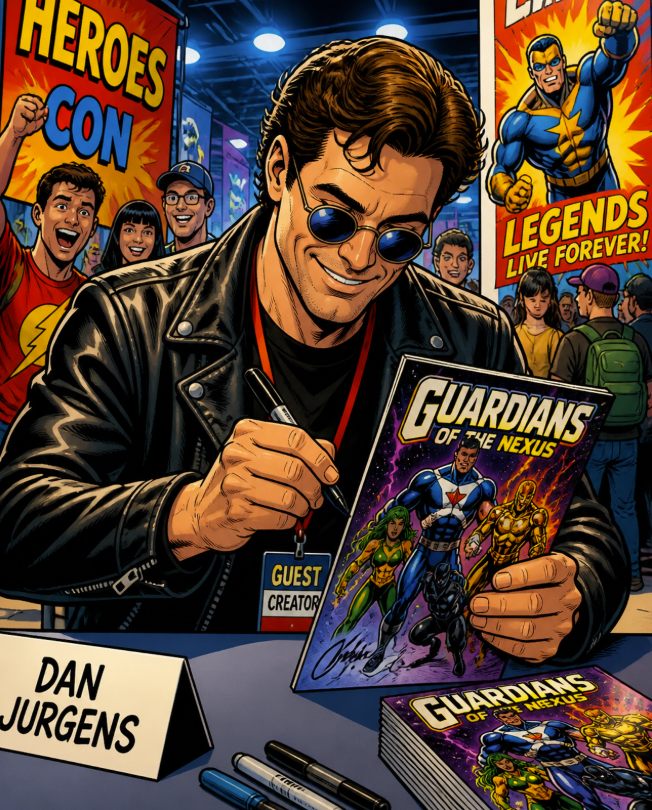
You hold a signed masterpiece in your hands. It might be a Silver Age classic touched by Stan Lee or a modern variant graced by the ink of Jim Lee himself. But the book has a ripple. It has a spine roll. It has that nagging "non-color-breaking" defect that keeps it from being the 9.8 it deserves to be.
Then, the fear sets in.
"If I press this, will the signature smudge?" "Will the heat melt the ink?" "What if the gold paint pen flakes off onto the press plates?"
At Pressing Issues, we hear these anxieties every day. The fear is valid. A signature is a moment in time, and once it's ruined, it's gone forever. But here is the truth: with the right chemistry and controlled physics, you can safely press a signed comic. You just have to stop guessing and start measuring.
The Chemistry of the Mark: Sharpie vs. Paint Pen
Not all ink is created equal. To preserve a signature, you must first understand what it’s made of and how it bonded to the paper.
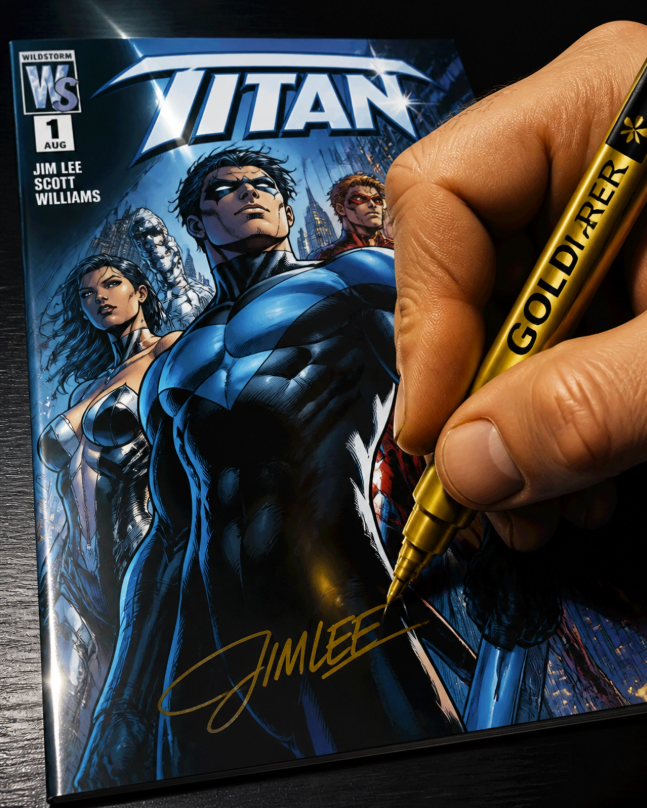
Sharpies and Alcohol-Based Inks
The standard Sharpie is the workhorse of the convention circuit. These inks are alcohol-based and generally "soak" into the fibers of a low-gloss or newsprint cover. On modern high-gloss covers, they sit on the surface but bond relatively quickly.
The Risk: Alcohol-based inks are susceptible to high heat. If the press is too hot, the ink can "re-liquefy" or "ghost" onto your carrier sheets.
The Solution: We use specific low-temperature dwell times and specialized silicone-treated barriers to prevent transfer.
Paint Pens (Uni-posca, DecoColor)
Paint pens are a different beast entirely. Brands like Uni-posca (water-based) and DecoColor (oil-based) are prized for their opacity and vibrant gold or silver hues.
The Risk: These inks don't soak in; they sit on top of the cover like a layer of plastic. Under pressure and heat, paint-pen signatures can "fleck" or crack. If the cover is high-gloss or foil, the bond is even more tenuous.
The Solution: We utilize a "cold-press" stabilization phase or extremely gradual heat ramp-ups. We never allow direct contact between the ink and a rigid plate.
The Cover Matters: From Newsprint to Foil
The paper stock determines the signature's stability.
Low-Gloss/Newsprint (Silver/Bronze Age): These are the safest to press. The ink is deeply embedded in the thirsty paper fibers.
High-Gloss (Modern): The ink is "floating" on a chemical coating. It is more prone to smearing if the technician is impatient.
Foil and Chrome: These are the "danger zone." Inks can be easily wiped or scratched off these surfaces. We treat these with the same level of care as a forensic artifact.
Cardstock: These covers are thick and resilient, but they require higher pressure to move the paper. This increased pressure can be lethal to a brittle paint-pen signature if not buffered correctly.
The CGC x JSA Alliance: A New Era of Value
For years, if you had an unwitnessed signature, you were stuck with the dreaded "Green Label" (Qualified). That has changed.
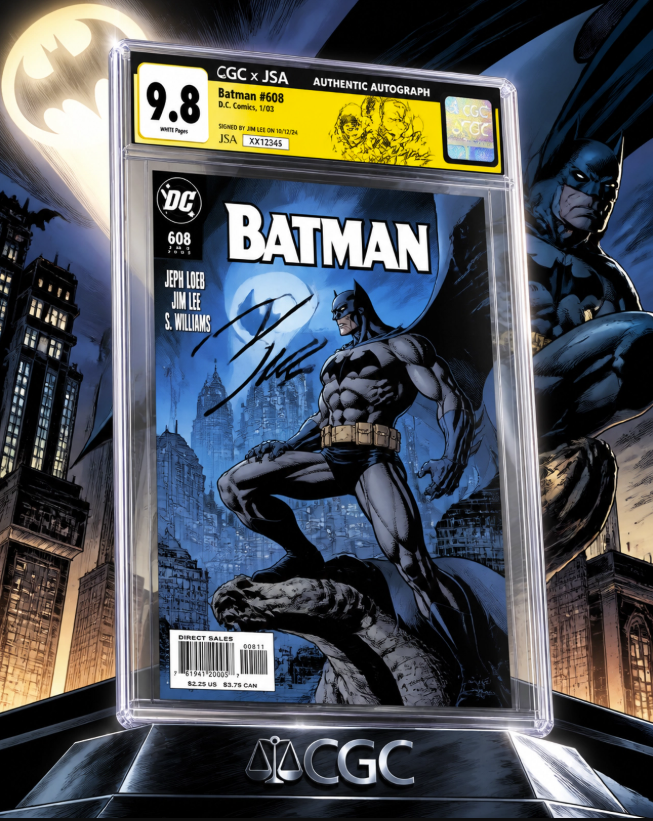
The collaboration between CGC and JSA (James Spence Authentication) means your older signed books can finally get the respect they deserve.
Yellow Label: Still reserved for witnessed signatures (CGC Signature Series).
Black/Yellow Label: This is the new "Authenticated" label. If you have a book signed in the 90s that wasn't witnessed, JSA can now verify it. If it passes, you get a beautiful hybrid label that preserves the book's market value.
Why Grade the Signature?
You aren't just grading the book; you can now grade the ink. JSA offers Signature Grading, which evaluates the quality of the autograph on a scale of 1 to 10. A "10" signature: bold, complete, and un-smudged: can command a significant premium over a faded or streaky one. This is why professional comic pressing and cleaning is so vital; we clean the surrounding area to make that signature "pop" against the cover.
Managing the "Inconclusive" Risk
Sometimes, JSA cannot authenticate a signature. This isn't always because the signature is fake. Often, it is "inconclusive": perhaps the ink is too faded, or the artist had a "bad pen day."
The "Red Label" or Qualified Risk: If authentication fails, the book may return with a standard blue label (noting "name written on cover") or a qualified green label.
Our Promise: We evaluate your signature under raking light and magnification during our Complimentary Value Analysis. If we believe a signature is too degraded to survive a press or pass authentication, we will tell you before we start.
The Pressing Issues Process: Science Over Luck
We don't just "flat-press" and hope for the best. Our USP is built on high-touch communication and technical precision.
Heat Control: We use digitally calibrated presses that maintain exact temperatures. Signed books never see the same heat as a standard 1980s newsprint book.
Signature Barriers: We use surgical-grade buffers between the signature and the press plates. This ensures zero ink transfer and prevents the "crushing" of raised paint-pen textures.
Photo Updates: You will receive updates during the process. We treat your signed keys with the same reverence you do.
DO NOT TRY THIS AT HOME
You might see a YouTube video of someone using a t-shirt press or a household iron to "fix" a comic. Do not do this with a signed book.
A household iron has inconsistent heat "hot spots." One second of contact with a hot spot can melt a Sharpie signature into a black blur or cause a gold paint pen to bubble and peel. You are not saving money by doing it yourself; you are gambling with a piece of comic history.
What I Have Learned
Over the years, I have learned that possibility can make us see what we want to see. A collector sees the possibility of a 9.8 and forgets the physical reality of the ink. I have seen beautiful signatures destroyed by "budget" pressers who didn't understand the difference between an oil-based DecoColor pen and a water-based Posca.
The back cover matters, the spine matters, but the signature is the soul of the book. Slow down. Inspect closely. If the ink looks "dusty" or "cracked," it’s telling you it’s fragile. Listen to it.
Key Takeaways
Know Your Ink: Sharpies are alcohol-based; Paint pens are surface-level and fragile.
New Labels: Use the CGC x JSA service to turn "unwitnessed" marks into authenticated gold.
Target the 10: A high-quality signature grade adds a secondary layer of investment value.
Control the Heat: Professional pressing uses barriers and low-dwell times to keep ink where it belongs.
Trust the Experts: Don't risk a DIY disaster on a signed masterpiece.
Ready to see what your signed collection is really worth? Contact us today for a complimentary value analysis and let’s get your signatures the 10s they deserve.