
First Appearance Fever: Separating Real Keys from Manufactured Hype
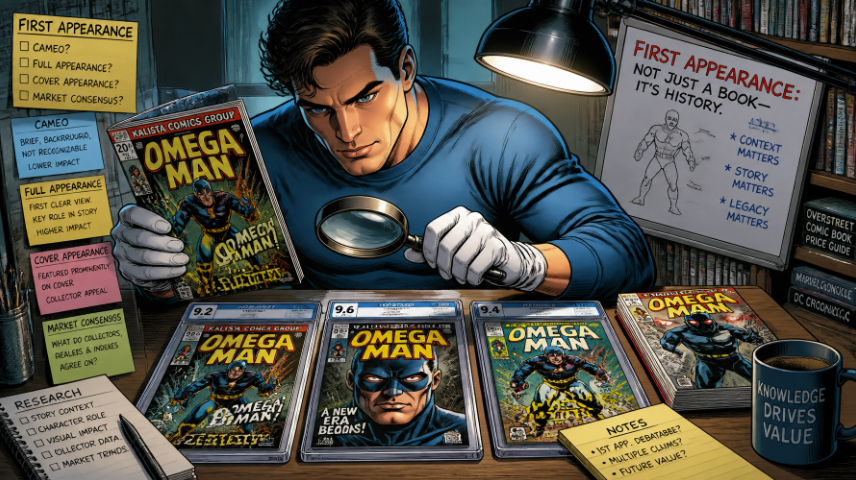
“First appearance” sounds precise. Often, it is not.
A character may appear in a single panel, a shadow, a flashback, or a final-page reveal. Another issue may feature that character throughout the story and place them prominently on the cover. The market usually chooses one of those books as the key.
That choice matters.
It affects demand, liquidity, insurance value, grading decisions, and the amount you should be willing to pay. The technical answer is important. But the community consensus is often more important.
The rule is simple:
> The market pays for the issue collectors agree is important.
That does not mean every popular key is fairly priced. It means you need to understand the difference between a real first appearance, a first full appearance, a first cover appearance, and a manufactured hype cycle.
Slow down. Inspect closely. Then do the math.
The Four-Part First Appearance Test
When you encounter a claimed first appearance, work through this system.
1. What physically appears?
Is the character actually on the page?
A final-panel cameo counts as an appearance. A hand, silhouette, or partial image may count as a preview or tease. A reference in dialogue is different from a visual appearance.
Do not let a listing use “first appearance” without explaining what appears and where.
2. How substantial is the appearance?
Does the character appear once, or do they participate in the story?
Collectors usually separate:
Cameo or brief appearance
First full appearance
First named appearance
First origin or defining story
First cover appearance
First solo cover appearance
These categories can describe different issues.
3. Is the character on the cover?
The cover is not a technical footnote. It is a demand engine.
A character on the cover is easier to identify. The book photographs better. It is more recognizable in an auction listing. It becomes the image collectors remember.
A cover appearance also gives the book a stronger display function. Many collectors are buying an artifact for the wall, not only a story for the shelf.
The cover matters.
4. What does the community actually buy?
This is the final test.
Look at grading labels, price guides, auction results, dealer language, and completed sales. If the community consistently calls one issue “the” first appearance, that issue will usually command the premium: even when another book has a technical argument.
This is where consensus becomes price.
Venom: Why Amazing Spider-Man #300 Became the Key
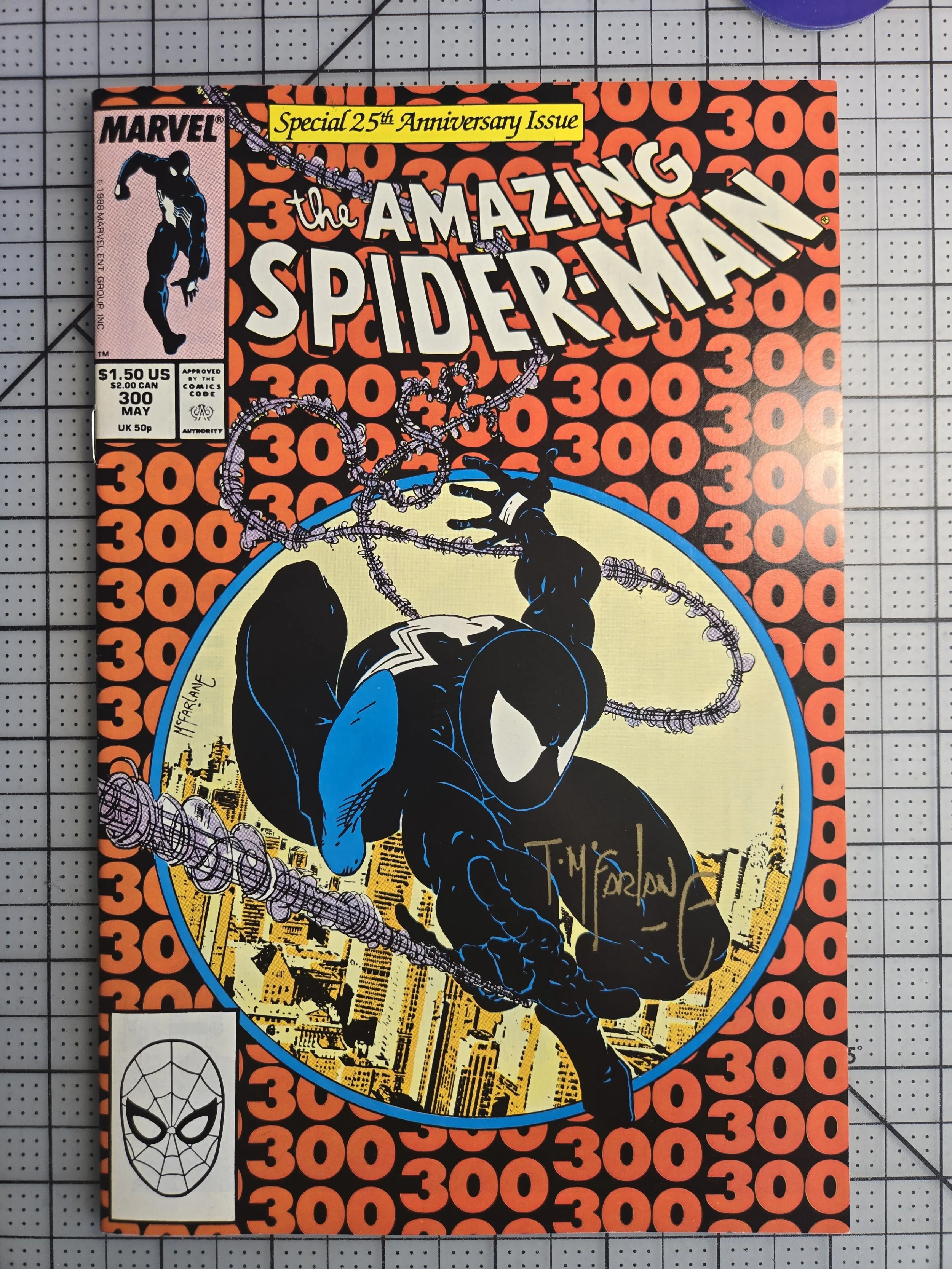
Venom is one of the clearest examples of technical debate versus market consensus.
The symbiote appears earlier as Spider-Man’s black costume. That is not the same thing as the fully developed character Venom.
Then comes Amazing Spider-Man #299. Eddie Brock and Venom appear in a brief, famous final-page sequence. Some collectors and creators argue that this is Venom’s first appearance.
That argument is not imaginary.
But Amazing Spider-Man #300 is the book the market chose.
It features Venom in a full story. It establishes the character as a major threat. It presents the classic design. It carries Todd McFarlane’s iconic cover. It is easier to explain, easier to display, and easier to sell.
That combination is powerful.
Major collecting references generally identify ASM #299 as the cameo and ASM #300 as the first full appearance. You can compare the discussion through GoCollect’s ASM #300 entry, Key Collector Comics’ issue page, and the ComicBook.com coverage of first-appearance debates.
The financial lesson is more important than winning the argument.
If you buy ASM #299 because you believe it is the technical first, you are making a different investment than someone buying ASM #300 as the accepted Venom key. The two books may both rise. They do not carry the same demand.
Do not confuse being right about a technicality with being right about the market.
Wolverine: The Cover and the Full Story Align
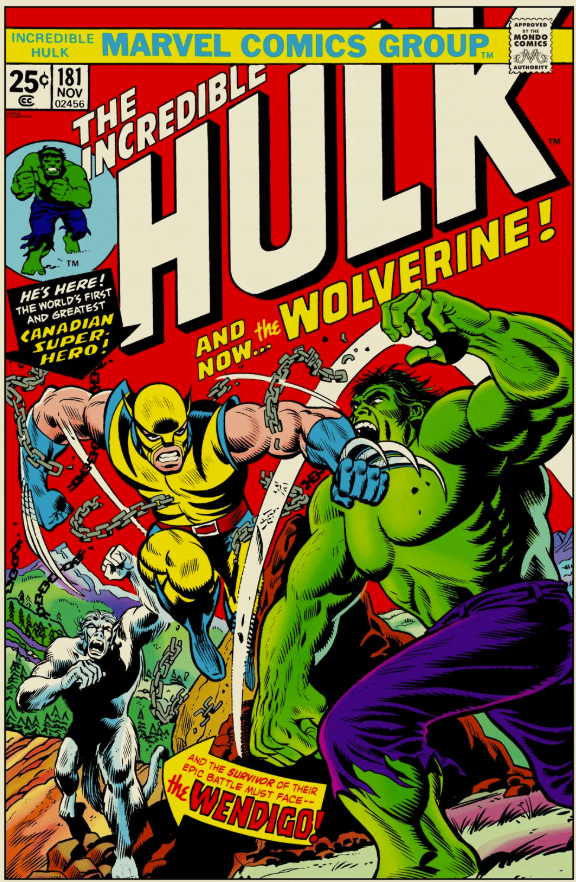
Wolverine gives us an even stronger example.
Incredible Hulk #180 contains Wolverine’s brief appearance on the final page. Co-creator Roy Thomas has acknowledged that this is technically Wolverine’s first appearance.
But Incredible Hulk #181 is the book most collectors mean when they say “Wolverine’s first appearance.”
Why?
Because Wolverine appears throughout the issue. He fights the Hulk. He has a clear role in the story. He is named, characterized, and placed prominently on the cover.
The technical first and the market key split between #180 and #181. The cover helps settle the argument.
That is why #181 became a blue-chip Bronze Age key while #180 remains the earlier, secondary book. GoCollect’s discussion of the Hulk #180 cameo is useful reading if you want to understand the distinction.
Gambit: Consensus Can Outrun the Technical Timeline
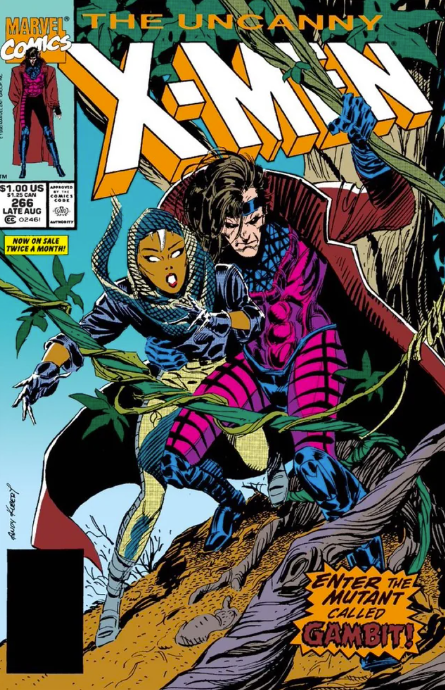
Gambit shows how complicated these debates can become.
Collectors often discuss Uncanny X-Men Annual #14 as an earlier appearance, while Uncanny X-Men #266 is generally treated as Gambit’s first full appearance and the primary market key.
The accepted key has what collectors want:
A substantial role
Clear character presentation
A major ongoing title
A recognizable cover
Strong connection to the character’s early story
That package creates consensus.
The annual may be historically important. It may deserve attention, especially if the price gap is reasonable. But the market does not assign equal value to every early appearance.
A book can be earlier without being the book collectors chase first.
That is the distinction you need to protect yourself from hype.
Kingpin: The Exception That Proves the Rule
Kingpin is the useful exception.
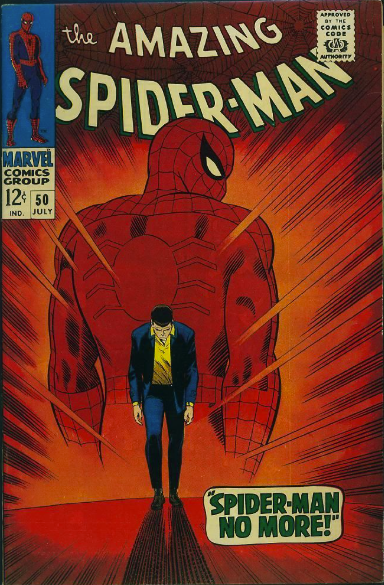
Amazing Spider-Man #50 is widely recognized as Kingpin’s first appearance. He does not appear on the front cover. Instead, the issue carries the famous “Spider-Man No More!” cover.
Kingpin’s first cover appearance comes in Amazing Spider-Man #51.
Yet #50 is worth significantly more than #51 in comparable grades.
Why?
Because first appearance status still carries enormous weight. So does the quality and historical importance of the cover, even when the character is not pictured. ASM #50 is a major Silver Age Spider-Man issue with an iconic cover, a strong story, and a lasting place in the character’s history.
This is the important correction:
> A character on the cover usually increases demand. It does not automatically overpower first-appearance status.
The cover is one part of the formula. It is not the entire formula.
GoCollect’s discussion of whether ASM #51 should be considered Kingpin’s first full appearance lays out the debate. Heritage Auctions’ ASM issue records also show how strongly the market treats #50 as the major book.
The Value Formula: Consensus × Cover × Condition
When evaluating a disputed key, use this formula:
Market strength = community consensus × cover appeal × scarcity × condition
If one factor is weak, the book may still be desirable. If all four are strong, you have a serious key.
Now add the financial math.
Compare books in the same grade. Separate raw copies from graded copies. Distinguish direct editions from newsstands when relevant. Review actual completed sales instead of optimistic asking prices.
Useful research tools include:
CovrPrice for recent sales data across raw and graded books
GPA Analysis for CGC-certified sales and grade-specific trends
eBay’s completed comic market for liquidity and current transaction activity
Heritage Auctions for higher-end auction results
Key Collector Comics for quick issue significance and market terminology
The CGC Population Report for graded scarcity
Remember what the CGC census does not tell you. It does not count raw books, books in other holders, or copies still sitting in collections. A low census number can support scarcity. It does not guarantee demand.
And demand is what pays you.
What I Have Learned
I have learned that collectors often buy the argument before they buy the book.
They see a dramatic listing. They hear “true first appearance.” They imagine the price gap closing. Possibility can make us see what we want to see.
That is when you slow down.
Look at the interior pages. Study the cover under direct light. Check whether the defects break color or only interrupt the surface texture. Confirm the issue, edition, grade, and label. Then compare actual sales.
A press can improve non-color-breaking bends, ripples, spine stress, and presentation. It cannot turn a cameo into a full appearance. It cannot create consensus. It cannot make a secondary key the market’s primary key.
Preservation improves the book you own. It does not change the book’s historical identity.
Key Takeaways
A technical first appearance and a market key may be different issues.
A full story appearance usually carries more weight than a cameo.
A character on the cover creates recognition, display appeal, and demand.
Venom’s ASM #299 cameo is important, but ASM #300 is the accepted primary key.
Wolverine’s Hulk #180 cameo matters, but Hulk #181 is the dominant market book.
Gambit’s accepted key demonstrates the power of community consensus.
Kingpin’s ASM #50 proves that first-cover status does not always beat first-appearance status.
Compare actual sales in matching grades before you buy.
If you love something, buy it, but always use caution.
FAQ
Is the earliest appearance always the most valuable?
No. The earliest appearance may be a cameo, preview, or partial appearance. The market often favors the first full appearance, especially when that issue also features the character on the cover.
Does a first cover appearance guarantee a premium?
No. It usually helps, but story importance, cover quality, scarcity, grade, and collector consensus matter too. Kingpin’s ASM #51 is the clear example.
Should I buy a disputed cameo?
You can. Just price it as a disputed or secondary key, not as the universally accepted primary key. The distinction matters when you sell.
Can pressing increase the value of a first-appearance comic?
Pressing may improve eligible non-color-breaking defects and eye appeal. The potential result depends on the book’s existing condition and physical limitations. At Pressing Issues, we evaluate those factors before work begins and keep the book unrestored under standard grading definitions.