
GoCollect vs. CovrPrice vs. GPA (GPAnalysis): Which Tracking Tool Fits Your Collecting Style?

Let’s be honest for a moment: collecting comic books is one of the most rewarding hobbies on the planet, but keeping track of everything can occasionally feel like trying to catalogue a meteor shower. Between vintage Bronze Age gems tucked away in long boxes, recent modern spec pickups, and slabbed keys resting securely in Mylar, knowing what you own: and what it’s actually worth today: is a moving target.
Fortunately, we no longer have to rely solely on dog-eared paper price guides from decades past or endless scrolling through random auction archives. Today’s collectors have powerful digital tools at their fingertips. But with several major platforms dominating the landscape, which one is right for your specific collection and collecting style?
Today, we’re taking a friendly, side-by-side look at three of the most popular tracking and pricing powerhouses: GoCollect, CovrPrice, and GPA (GPAnalysis). Along the way, we'll explore how pairing these tools with smart market habits: like checking price action, following key tracking at Key Collector Comics, and consulting the CGC Census: can help you decide when to enjoy a book raw, when to cash in a duplicate, and when a high-value key has enough "grade gap" to justify professional pressing and submission.
1. GoCollect: The Heavyweight for Slabs and Historical Analytics
If your collecting DNA leans heavily toward third-party graded books (CGC, CBCS) and serious market analysis, GoCollect is likely already on your radar.
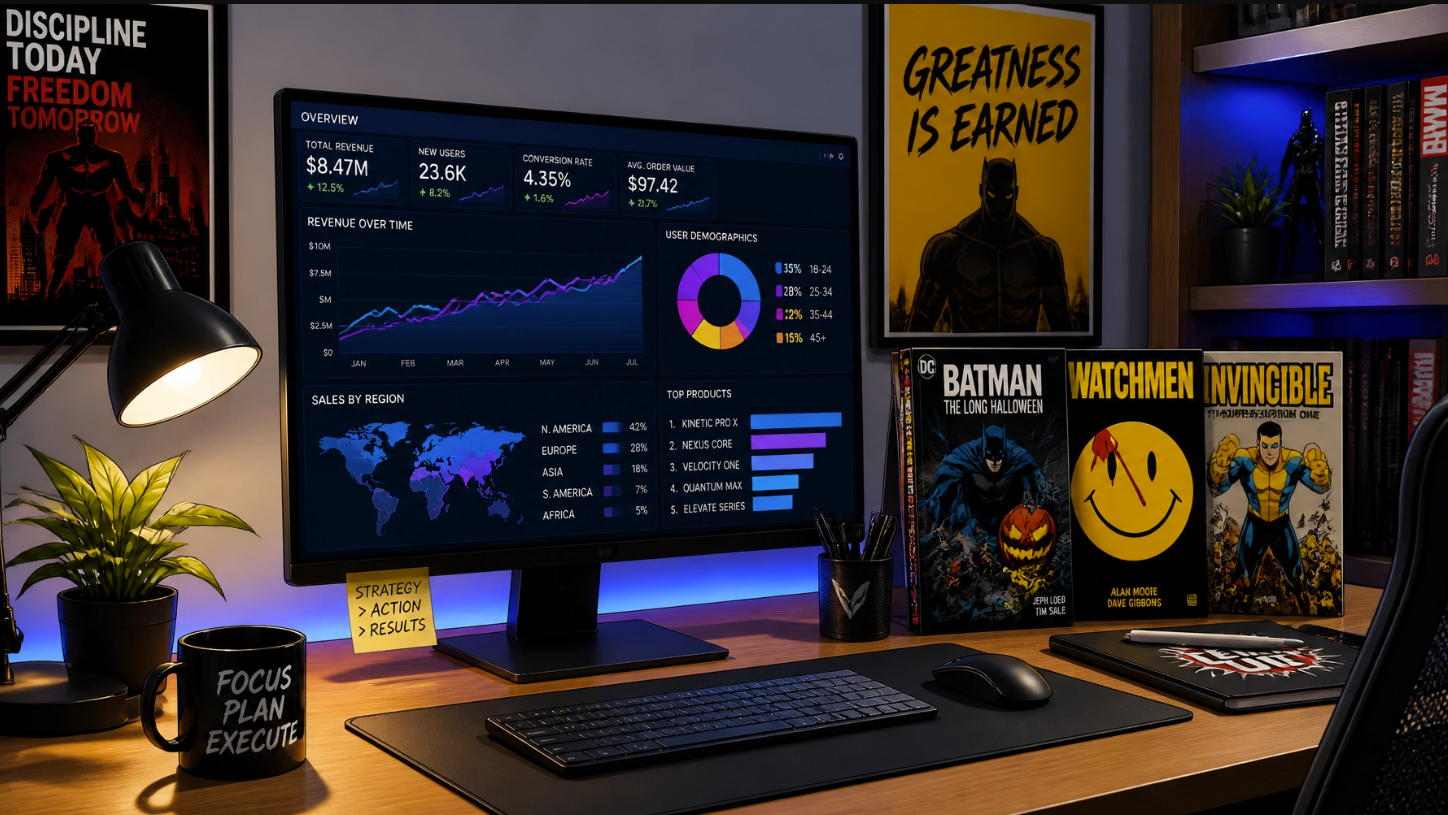
Core Strengths
Slab-Centric Data: GoCollect was built from the ground up to track fair market value (FMV) for graded comic books. It pulls verified sales from major venues like eBay, Heritage Auctions, and ComicConnect.
Deep Historical Analytics: Unlike platforms that only look at the last 30 or 90 days, GoCollect often retains a broader historical dataset. This smooths out erratic price spikes and gives you a stable, long-term view of a book's financial trajectory.
Customizable Dashboards: You can set up watchlists, track your slabbed portfolio value, and receive alerts when specific books hit target price points.
When to Use GoCollect
GoCollect shines brightest if you are an investor, speculator, or high-end collector whose long boxes are heavy on slabbed keys. If you want to know exactly what a CGC 9.6 Copper Age milestone has commanded over the last three years, GoCollect provides the granular detail you need.
2. CovrPrice: The Modern Favorite for Raw Tracking and Portfolio Management
For collectors who enjoy a vibrant mix of raw back issues, modern variants, and slabbed books, CovrPrice has become the go-to platform in recent years.

Core Strengths
Raw and Graded Coverage: One of CovrPrice’s biggest selling points is its robust raw book pricing. While older platforms historically ignored unslabbed books, CovrPrice tracks real-time sales across raw and graded copies alike.
Short-Term Sensitivity: CovrPrice focuses heavily on recent completed sales, eschewing stale data. This makes it exceptionally responsive to sudden market shifts driven by movie announcements, creator news, or viral spec trends discussed across hobby news outlets like ComicBook.com.
User-Friendly Portfolio Management: Building your collection database on CovrPrice is intuitive, clean, and fast. It offers weekly "Movers & Shakers" lists and hot key updates that make tracking your collection feel engaging rather than administrative.
When to Use CovrPrice
If you love hunting through dollar bins, collecting weekly new releases, and maintaining an up-to-date digital inventory of your entire collection (raw and slabbed together), CovrPrice fits like a well-worn glove.
3. GPA (GPAnalysis): Precision Tracking for CGC-Certified Books
If your collecting style leans heavily toward slabbed books and you want to study actual transaction history instead of broad estimates, GPA (GPAnalysis) deserves a close look.
Core Strengths
Realized Sales for CGC-Certified Books: GPA focuses specifically on actual sales data for CGC-certified comics, making it especially useful when you need clean, transaction-based pricing for slabbed books.
Rigorous Data Cleaning: Not every public sale tells the truth. GPA works to remove failed sales and obvious outliers so you can make decisions from stronger data instead of noisy results.
20+ Years of Historical Archive: That long timeline matters. It helps you slow down, zoom out, and see how a book has behaved across market cycles instead of reacting to one hot month.
Advanced Filtering: You can drill into the data by grade, label type, and Signature Series status, which is valuable when small differences in certification details can create very different sale prices.
When to Use GPA
GPA is ideal for slab-focused collectors and investors who want precision transaction data rather than generalized estimates. If you are comparing exact CGC grades, studying sale patterns, or trying to make disciplined buy/sell decisions on certified books, GPA gives you a tighter lens.
Smart Hobby Wisdom: Reading the Signs Before You Act
Having a great tracking tool is only half the battle. The real magic happens when you combine price tracking with market awareness: specifically by watching price action and consulting the CGC Census.
Here is how you can use these digital signals to guide your next collecting move:
1. Raw vs. Graded: When to Hold 'Em As-Is
Not every book needs to be slabbed. If you have a mid-grade Silver Age reader copy that brings you immense joy every time you open it, enjoy it raw! But if your tracking app shows that a book's value jumps exponentially between a 7.5 and a 9.2, it’s time to take a closer look at the physical copy.
2. Spotting the "Grade Gap"
Use GoCollect or CovrPrice to examine the price delta between grades. If a raw book looks clean: free of heavy creases, spine tears, or fading: but suffers from non-color-breaking surface indents, fingerprint smudges, or a mild spine roll, check the census. If the population report shows that hundreds of copies sit in a 9.0 tier, but only a handful exist in 9.4 or 9.6, that "grade gap" represents a golden opportunity.
Professional comic pressing and cleaning can safely eliminate those surface defects without altering the paper integrity, helping your book bridge that gap when submitted for grading.
3. Timing the Market
Tracking price action lets you see when a character's popularity peaks or dips. If your portfolio app shows steady upward momentum, you might decide to sell a duplicate key to fund a new grail. Conversely, when market enthusiasm cools down, you can quietly pick up wishlist issues at a relaxed, collector-friendly pace.
Finding Your Digital Sweet Spot
Ultimately, technology shouldn't make collecting feel like a stressful Wall Street job. The goal of using tools like GoCollect, CovrPrice, or GPA is to lift the burden of endless cataloging and guesswork, giving you more time to actually read, appreciate, and share your favorite stories.
Whether you prefer the deep statistical dives of GoCollect, the agile raw tracking of CovrPrice, or the precision slab data of GPA, embracing digital tools helps you stay organized and confident in your hobby.
Take your time, explore what works best for your collecting style, and enjoy every page of the journey.
Frequently Asked Questions
Q: Can I use more than one tracking app at the same time?
A: Absolutely! Many veteran collectors use CovrPrice for day-to-day raw collection management and CovrPrice/GoCollect combined to cross-reference slabbed book values before buying or selling.
Q: Do these tracking apps replace physical inspection?
A: Never. Apps give you market estimates based on historical or recent sales, but every physical comic book is unique. Always inspect your book's actual condition: checking for paper brittleness, hidden restoration, or color-breaking creases: before making high-value financial decisions.
Q: How do I know if my book is worth pressing before submitting to CGC?
A: Look for non-color-breaking defects like light surface dirt, dents, ripples, or minor spine rolls. Professional pressing and cleaning can often remove these flaws safely, elevating the book's visual presentation and potential grade without crossing into structural restoration.