
The Spec Cycle: Timing the Market from Rumor to Premiere
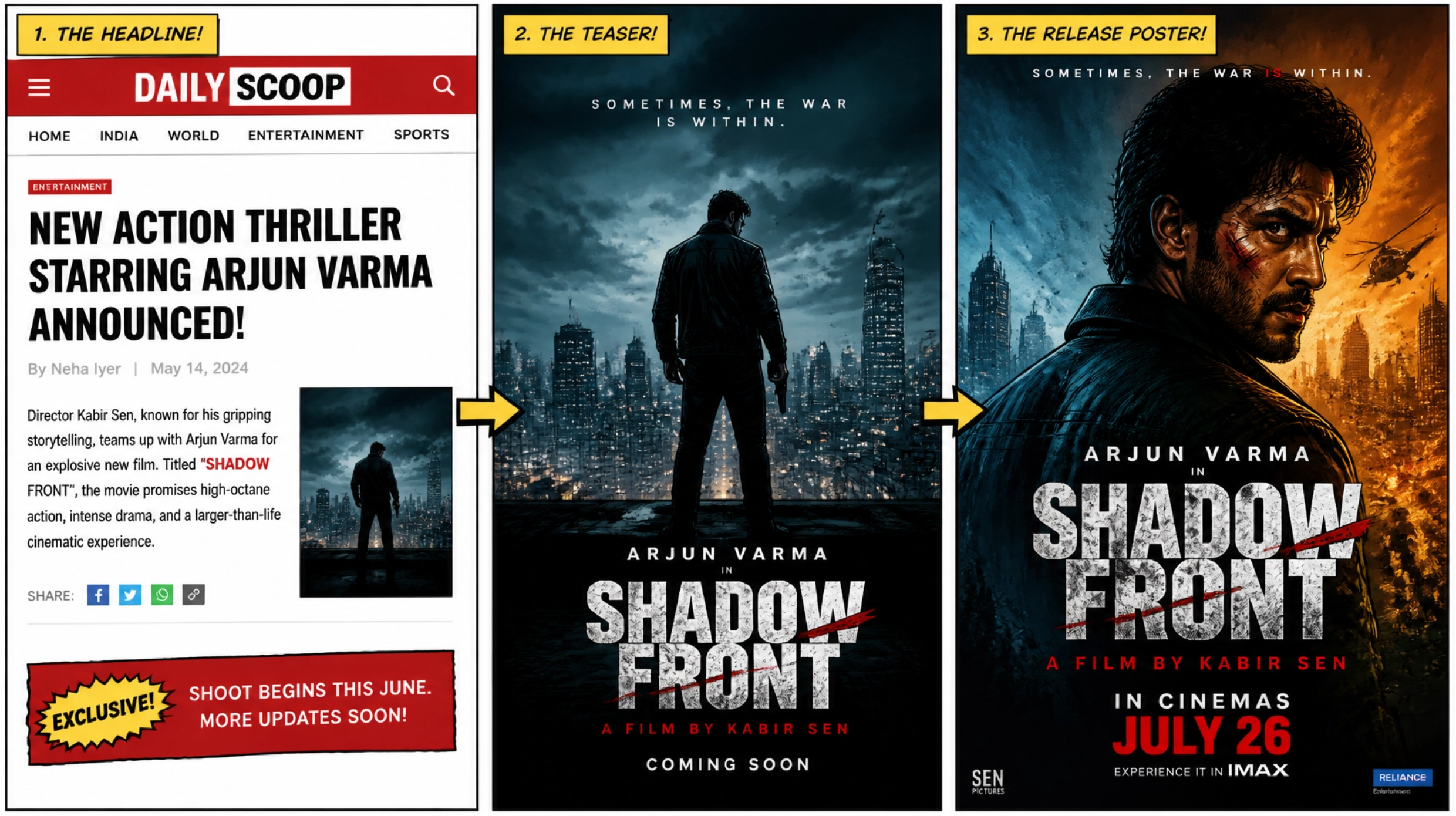
Speculation in comic books is not gambling if you treat it like logistics and math. Too many collectors enter the market fueled purely by adrenaline and wishful thinking, rushing to buy a key issue the moment an actor is cast or a trailer hits YouTube. By then, the smart money has already exited.
If you want to turn comic book speculation into a reliable strategy rather than an expensive hobby, you need to understand the spec cycle. You need to know when to buy, when to lock your books in the grading lab, and when to ruthlessly take your profits before the inevitable post-release dip.
1. The Spec Timeline: From Rumor to Release Day
Across cinematic adaptations and streaming series, the market follows a predictable four-phase rhythm. Master this sequence, and you control the timeline:
Phase 1: The Rumor & Announcement. Studio trade reports ("in talks") and official project confirmations. Prices jump 20% to 50% within weeks.

Phase 2: Production & Casting. Cast members are locked in, set photos leak, and the hype enters a quieter preparatory phase.
Phase 3: The First Trailer / Teaser. The single most powerful catalyst in comic spec. Values surge by 40% to 100% almost overnight.
Phase 4: Release Day & Correction. A brief final peak followed by a sharp 15% to 25% market correction as attention shifts to the next franchise.
Understanding where your book sits on this timeline dictates every decision you make, especially when to submit your books for professional comic book pressing.
2. Buy the Rumor, Sell the News
The cardinal sin of amateur spec is buying at the peak of mainstream excitement. When a major studio drops a cinematic teaser trailer during a Sunday night football game, millions of casual viewers learn about the character for the very first time.
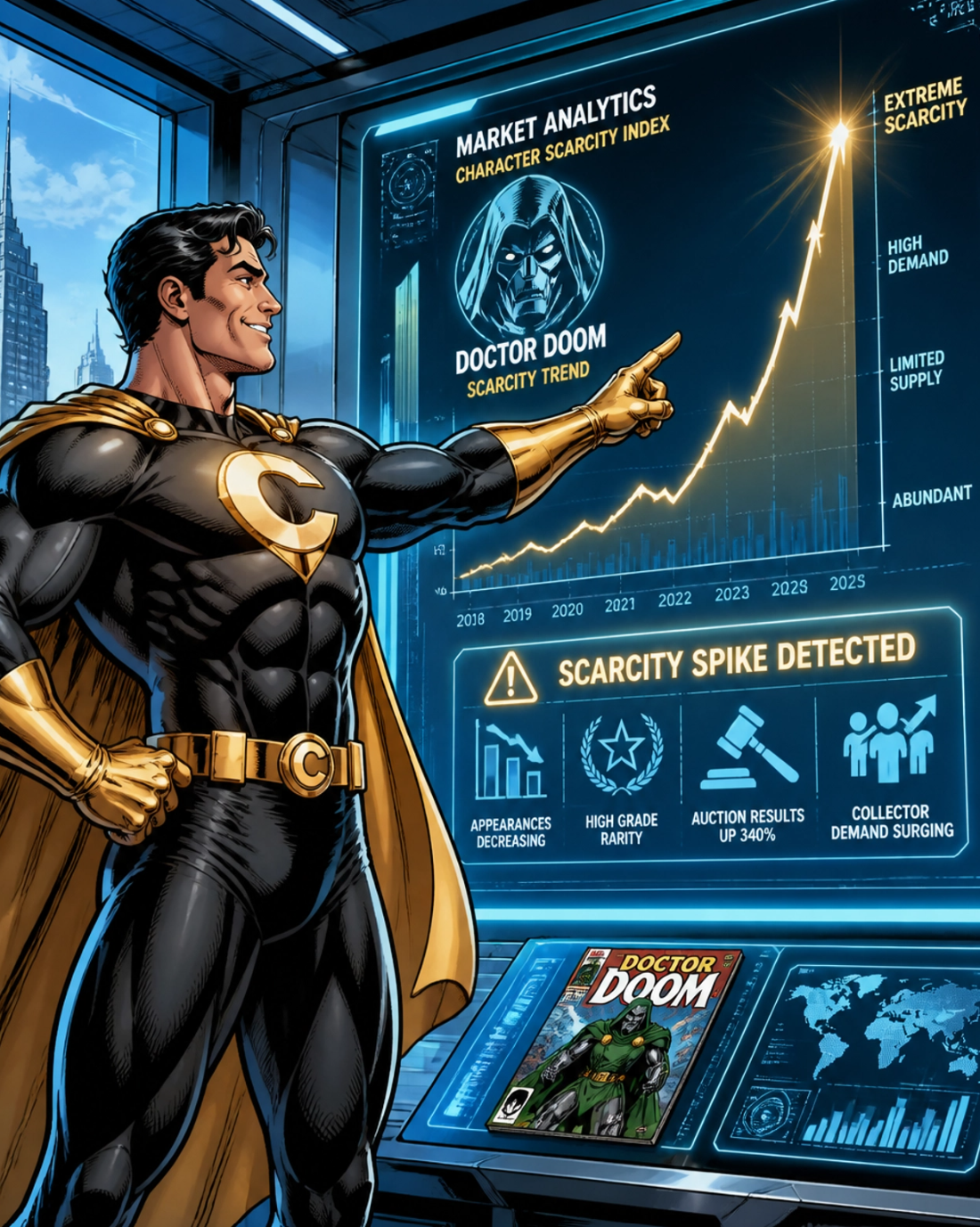
For the flipper, that trailer is not a buying signal, it is an exit signal.
If you wait until the teaser trailer to purchase your raw keys, you are buying at the absolute height of inflated market value. The institutional buyers, dealers, and early speculators who secured their copies months prior are ready to dump their inventory onto your eager hands. To win in this market, you must anticipate the hype rather than chase it.
3. The "Lull" Opportunity
When does the smartest money actually move? Right here, in the quiet window between official casting news and the first trailer drop.
During this phase, the initial excitement of the project announcement has faded from the headlines. Prices settle into a stable accumulation zone. This is the ultimate "lull opportunity." The market is calm, raw keys are reasonably priced, and supply hasn't yet been choked by over-grading.
Before you pull the trigger, take advantage of a professional comic book appraisal and value analysis to evaluate whether the underlying book has the historical significance and low census count to justify the investment.
4. The Grading Window: Beating the Lab Clock
Here is the harsh physical reality that traps thousands of speculators: CGC turnaround times do not care about your movie release date.
If you wait for the first trailer to drop before sending your raw key in for pressing and grading, you have already lost. A book sitting in a grading queue for months while a trailer airs on every screen is a missed opportunity. You are sidelined while the peak exit window opens and closes without you.
You must submit your raw keys for CGC submission handling months before the trailer drops. Expert preparation removes non-color-breaking dents, spine rolls, and surface ripples, transforming a raw 9.2 candidate into a pristine 9.8 slab that arrives back on your desk just as marketing whispers begin to build.
5. Pressing for the 9.8 Premium
In modern comic spec, the grade is everything. The price gap between a CGC 9.6 and a CGC 9.8 on a hot modern key is rarely linear, it is often exponential.
When you are flipping on spec, a minor pressable defect like a light surface bend or stacking dent can cost you hundreds or even thousands of dollars in profit. Expert intervention ensures your book captures the maximum possible multiplier.
6. The Exit Strategy: Why Holding Through Release is a Gamble
The most common regret among speculators is holding a key book past theatrical release day, hoping for "just a little more upside."
Data consistently shows that once the movie or television show premieres, the narrative catalyst is spent. Within 60 to 90 days of release, the market enters a predictable post-release dip. Books drop 15% to 25% in value as liquidity dries up and collectors move on to the next upcoming franchise announcement.
Take your profits during the trailer-to-premiere window. Let someone else hold the bag through the correction.
Frequently Asked Questions
When is the absolute best time to buy a comic on spec?
The optimal entry window is either shortly after credible trade rumors surface or during the quiet "lull" phase between casting announcements and the first trailer drop, when prices are stable. Cross-check demand signals with sources like Key Collector Comics, price tracking on GoCollect, and major auction results from Heritage.
Why is grading so urgent before a movie trailer drops?
Because third-party grading and pressing take weeks or months. If you wait until the trailer airs to submit your books, you will miss the peak liquidity and pricing window while your comics are still sitting in the lab.
Should I hold my spec books past release day?
Generally, no. Short-term spec flippers should aim to exit between the first trailer release and four weeks before the film or show premieres to avoid the post-release market correction.