
Preservation Drift: Why Raw Comics Need Pressing and Cleaning Even If You Never Grade Them
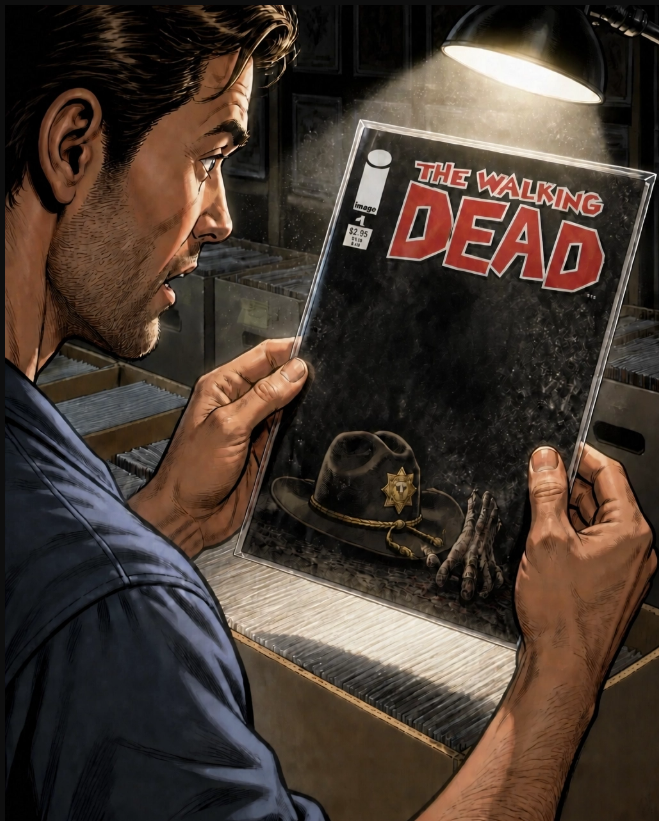
Press your key comics before they go in the long box. You will thank me later.
Most collectors know the ritual.
The comic arrives. You inspect the cover, slide it into a bag, add a board, and place it in a long box. The book is now “safe.”
That is only partly true.
A bag and board can help protect a comic from new handling damage, dust, spills, and direct contact with other objects. But they do not erase the defects already on the book. They do not flatten a bend. They do not lift surface dirt. They do not stop a spine crease from settling deeper into the paper.
This is preservation drift: the slow process by which a comic’s existing condition problems can worsen while the book is technically protected.
The book is not in a time capsule. It is in a slow pressure cooker of its own flaws.
What Is Preservation Drift?
A dirty, wavy, creased comic can continue to age poorly inside a bag and board.
Surface grime can settle into the cover’s texture. Finger oils can attract more dirt. Humidity can make paper expand and contract. A bend can become sharper under pressure from neighboring books. A spine crease can become more pronounced the next time you handle the comic.
None of this means every bagged comic will be ruined. It means risk compounds when existing problems are ignored.
A clean and flat comic is more likely to remain clean and flat in storage.
A dirty or distorted comic carries those problems forward.
That is the mental shift. Comic book pressing and comic book cleaning are not only pre-grading services. They are pre-storage services.
Why Existing Dirt and Defects Can Get Worse
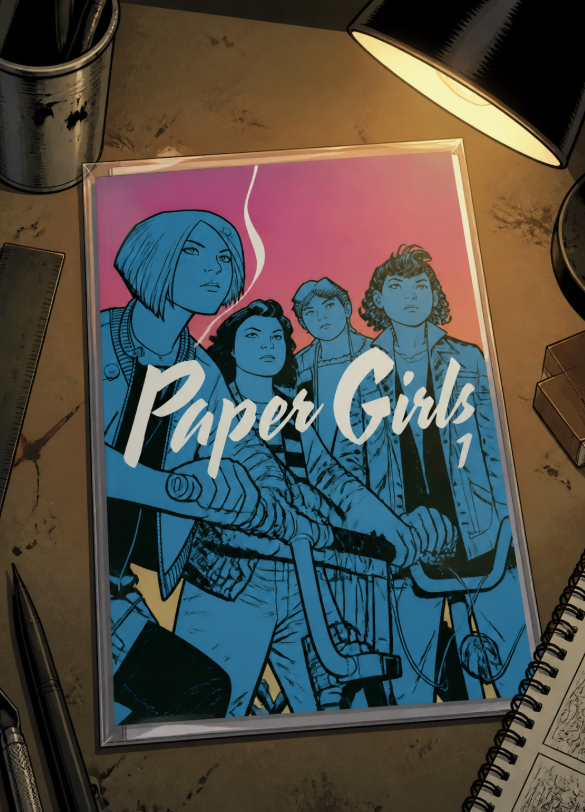
Take out your keys and set them aside to be pressed, you can make your CGC decisions another day
Slow down and look at a cover under a bright, angled light.
You may see a soft wave that disappears when the light is straight on. You may feel grit beneath your fingertip near the bottom edge. You may notice a shallow finger bend across a character’s face or a series of spine ticks that have not yet broken color.
These defects matter because paper remembers stress.
Surface dirt
Dirt is not always harmless dust sitting on top of the cover. It can contain gritty particles that move when the book slides in and out of a bag. Every microscopic shift creates the possibility of abrasion.
Over time, that grit can act like fine sandpaper against a glossy cover. It may dull the surface, scratch the finish, or work into the paper fibers. Moisture and humidity can make embedded grime more difficult to remove later.
This is why professional comic book dry cleaning is a preservation step, not merely a cosmetic upgrade.
Finger bends and dents
A finger bend is a stress point. So is a shallow dent, stacking bend, or light indentation.
Under the weight of other books, those areas may settle. The paper fibers compress and hold the shape more firmly. A defect that was once flexible can become less responsive to pressing later.
Spine stress and creases
Spine stress deserves close inspection. A non-color-breaking line may be reduced through careful pressing. But repeated handling can sharpen that line. If the crease begins to break color, the limitation becomes permanent.
The same applies to a spine roll or cover wave. Storage does not automatically correct the problem. In some environments, humidity makes it worse.
Stop Thinking “Pre-CGC.” Think “Pre-Collection.”
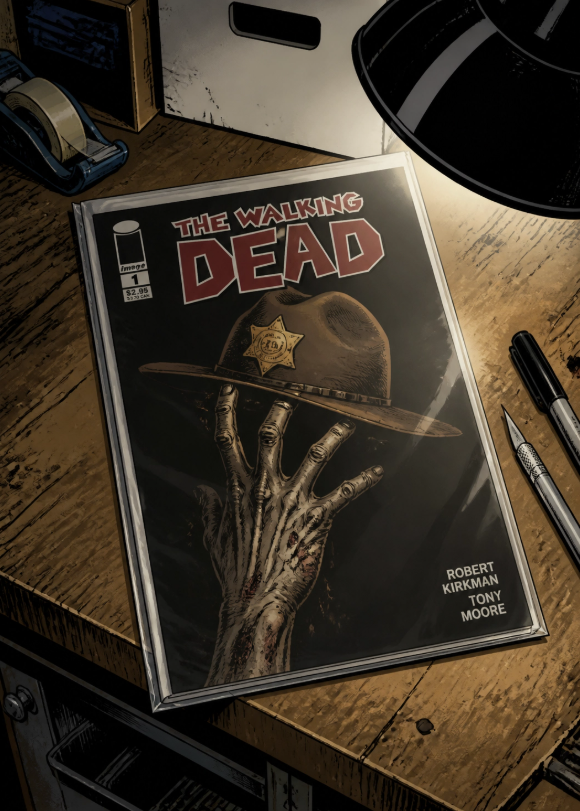
Collectors often wait until they are preparing a CGC grading submission to consider cleaning and pressing.
That is backward for many raw books.
The best time to evaluate a comic is when it enters your collection. Inspect it before you place it into long-term storage. If it needs professional treatment, address the problem before years of storage allow it to settle.
This does not mean every raw book requires pressing. It means every raw book deserves an honest inspection.
A useful system is:
Inspect the book under angled light.
Check the front cover, back cover, spine, edges, and interior pages.
Separate removable defects from permanent defects.
Treat the book before long-term storage if the benefits justify the risk and cost.
Re-bag and re-board it with appropriate materials.
This same process applies to an under-the-radar X-Men key, a favorite independent comic, or a book with no meaningful resale market at all.
The book does not need to be a blue-chip investment to deserve care.
The Dollar-Book Principle
Most collections contain books that will never be submitted to CGC.
That is fine.
A $5 comic you love deserves the same flatness and cleanliness as a $500 comic you may eventually grade. Preservation is not only about improving comic book grade. It is about protecting the physical object and your experience of owning it.
However, experimentation still requires discipline.
Do not test a new cleaning or pressing technique on an expensive book. Use a true dollar book or low-consequence duplicate. Expensive items can suffer permanent damage from excess pressure, moisture, abrasion, adhesive transfer, or improper handling.
Professional pressers also do not use the dry-cleaning method involving drafting powder. The powder can migrate into paper fibers, leave residue, alter surface sheen, and create uncontrolled abrasion when rubbed across a cover. It can also complicate later conservation work.
A professional comic book cleaning process should be controlled, conservative, and appropriate to the paper and printing surface. If you are learning how to clean comic books, learn first on books you can afford to lose.
What Pressing and Cleaning Can: and Cannot: Do
Professional pressing and cleaning can address many non-color-breaking defects, including:
Surface dirt and loose soiling
Light bends and dents
Finger bends
Ripples and waviness
Minor spine stress
Some spine rolls
Cover indentations
Stacking bends
These are the kinds of defects collectors often mean when they search for ways to remove spine ticks from comics.
But pressing is not magic.
It cannot reliably repair:
Color-breaking creases
Missing pieces
Brittle paper
Tears
Major stains
Fading or sun shadows
Detached covers or staples
Severe spine splits
Rounded corners
Deep fingerprints or permanent smudges
A clean cover can still have permanent damage. A flat book can still be a low-grade book.
The purpose is to stabilize and improve what can safely be improved while preserving the book’s unrestored state. Proper pressing and dry cleaning are generally treated as non-restorative processes, but technique matters. Poor work can damage a comic.
CGC’s own pressing guidance explains both the types of defects pressing may address and the possibility that a book may not improve: or may even be damaged in rare cases. That caution applies whether or not you plan to submit the book.
Pressing candidate diagram
The value of professional handling usually becomes easier to justify as the book’s importance rises. Many collectors use roughly $200 to $250 as a point where professional pressing deserves serious consideration. Books over $500 deserve professional handling unless you have substantial experience and accept the risk.
That is not financial advice or a guarantee of return. It is a risk-management rule.
Storage Is Part of the Preservation Process
Once a book has been inspected, cleaned, and pressed when appropriate, storage becomes the next control point.
Use this checklist:
Choose archival-quality Mylar sleeves when suitable for the book.
Use clean, acid-free backing boards.
Store comics upright in a rigid long box.
Avoid overstuffing the box.
Avoid excessive slack that allows books to lean and bend.
Keep the storage area cool, clean, and stable.
Avoid attics, garages, basements, and areas with major temperature swings.
Use silica gel packets as a moisture-control aid, not as a substitute for a stable environment.
Handle the book as little as practical.
The goal is simple: keep the comic as stable as it was when treatment ended.
Do not trap a damp book in a fresh bag. Do not place a dirty comic against a clean board and assume the board solved the problem. Inspect first.
Preservation Is Not the Same as Value Speculation
Cleaning and pressing may improve appearance and may help a book present better. They do not guarantee a higher grade or a higher sale price.
If you track the market, use sales data as context rather than a promise:
GoCollect can help you review price-guide information and market history.
CovrPrice tracks raw and graded sales across multiple marketplaces.
GPA for CGC Comics provides sales data and analysis for graded books.
You can also compare completed listings on eBay, review auction results from Heritage Auctions, research key issues through Key Collector Comics, and follow broader industry news at ComicBook.com.
For population context, consult the CGC Census and Population Report. A census count does not tell you how many raw copies exist, how many are in private collections, or how many copies are truly comparable in condition.
The formula is:
Physical condition first. Market data second. Treatment decision third.
Do not reverse that order because a price guide shows an exciting number.
What I Have Learned
What I have learned is that collectors often protect comics at the exact moment they stop inspecting them.
The bag goes on. The board goes in. The long box closes. Years pass.
Then the book comes out looking tired: not because storage created every defect, but because storage allowed small problems to remain in place and gradually settle.
A flat, clean comic is easier to enjoy. The cover catches light evenly. The spine sits straighter. The paper feels more stable in your hands.
That is the real benefit of comic book preservation. It protects the book you own today and the book someone may inherit tomorrow.
A raw collection is a legacy, even if you never sell it. The books you pass down or display should not look worse simply because no one planned to grade them.
For more on the collector-first approach, read The Best Reason to Press Your Books Is Love and Raw vs. Slabbed Comics.
Key Takeaways
Bagging and boarding protect against new damage. They do not erase existing defects.
Dirt, bends, waves, and creases can become harder to address over time.
Comic book cleaning and pressing should be considered before long-term storage, not only before CGC pressing or grading.
A $5 favorite deserves preservation even if it will never be graded.
Do not use drafting powder on valuable comics. Test unfamiliar methods only on dollar books.
Pressing cannot repair color-breaking creases, tears, stains, brittle paper, or missing pieces.
Books over $500 deserve professional handling.
Good storage reduces future risk, but it cannot reverse neglected condition problems.
Pressing and cleaning are not luxuries reserved for graded books. They are basic care for raw ones.
Stop the drift before it starts.
> if you love something, buy it, but always use caution.